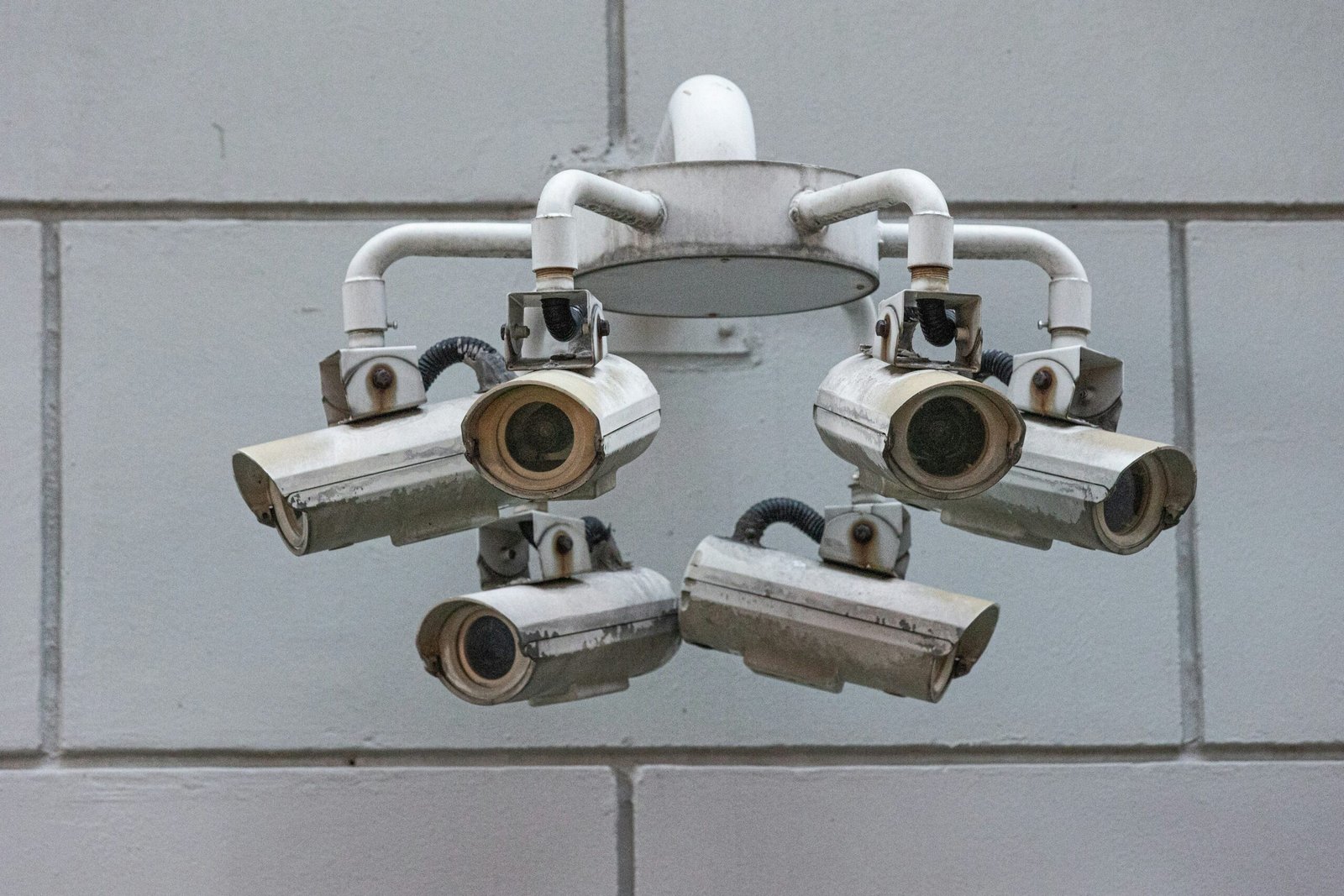
Ever felt like your system was spying on you? You’re not alone. With tech advancements, monitoring tools are everywhere—from workplace surveillance to app tracking. But what if there’s an invisible off-button for all that snooping? Enter: the monitoring kill switch.
In this post, we’ll break down everything about monitoring kill switches—what they are, why they matter, how to implement them, and tips to stay tech-smart. Buckle up because this is going to get nerdy (and oddly satisfying).
Table of Contents
- Key Takeaways
- Why Are Monitoring Tools So Annoying?
- How to Set Up Your Own Monitoring Kill Switch
- Best Practices for Using a Kill Switch
- Real-World Example: When a Kill Switch Saved Privacy
- Frequently Asked Questions About Monitoring Kill Switches
Key Takeaways
- A monitoring kill switch is a tool or mechanism designed to halt unauthorized or excessive data tracking instantly.
- It protects privacy by disabling specific trackers, logging systems, or monitoring software.
- Setting one up requires technical know-how but can be simplified using pre-built tools like firewalls or browser extensions.
- Use cases range from personal privacy protection to safeguarding corporate secrets.
Why Are Monitoring Tools So Annoying?
Let me confess something shameful here—I once tried blocking cookies manually. Yes, I went full caveman mode and just deleted my browsing history every hour. The result? Whirrrrr… My laptop sounded like it was rendering endless TikTok videos. Spoiler alert: That didn’t work out well.
From intrusive apps to workplace surveillance software, monitoring tools have become omnipresent. While some track harmless metrics (like website traffic), others cross ethical lines. Imagine your boss knowing when you opened Slack last—or worse, what websites you visited during lunch breaks.
This brings us to our glorious escape plan: the monitoring kill switch. This clever little trick stops snoopers dead in their tracks. No more whirring fans. No more anxiety-inducing alerts. Just sweet, sweet freedom.
How to Set Up Your Own Monitoring Kill Switch
Optimist You: “This sounds easy enough!”
Grumpy Me: “Oh, honey, buckle up.”
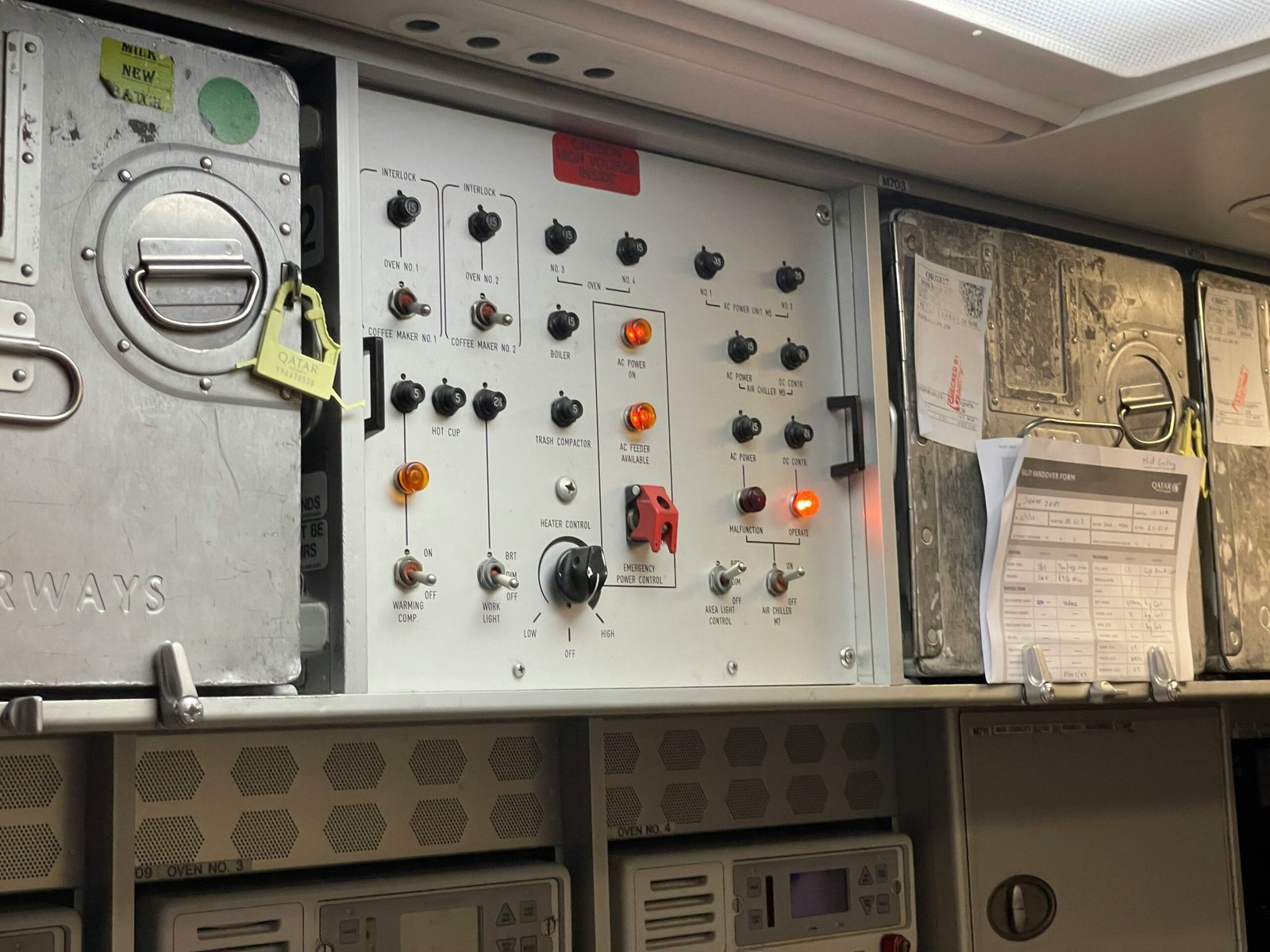
Setting up a monitoring kill switch isn’t exactly drag-and-drop simple—but don’t panic yet. Here’s a step-by-step guide:
Step 1: Identify What Needs Stopping
Different situations require different solutions. For example:
- If you’re dealing with workplace spyware, locate its source (e.g., employee monitoring software).
- If it’s web-based trackers, identify which ones invade your privacy most (cookies, pixel tags, etc.).
Step 2: Choose the Right Tool
Tools vary based on your needs:
- Browser Extensions: Try Ghostery or uBlock Origin for lightweight ad/tracking blockers.
- Firewall Software: Use advanced firewalls like pfSense or Sophos Home Premium.
- Custom Scripts: Advanced users might create scripts using Python or PowerShell to toggle services.
Step 3: Activate the Kill Switch Mechanism
Once set up, configure triggers such as:
- Time-based activation (disable tracking after hours).
- User behavior-triggered events (block trackers when visiting certain sites).
Best Practices for Using a Kill Switch
- Test Before Deploying: Ensure your kill switch doesn’t accidentally block essential functions.
- Document Everything: Keep logs of what gets blocked and why—it helps troubleshoot later.
- Talk to Stakeholders: If implementing this at work, inform HR and IT teams first.
- Avoid Overkill: Don’t block EVERYTHING—some monitoring (e.g., antivirus scans) keeps things secure.
Terrible Tip Alert: Don’t go rogue without understanding consequences. Blocking critical monitoring tools could lead to security gaps or even legal issues!
Rant Break: Seriously, though, WHY do apps need access to my mic AND camera AND location simultaneously?! It’s like handing over a key to Fort Knox while asking, “Could I borrow sugar?”
Real-World Example: When a Kill Switch Saved Privacy
Here’s where the magic happened. A mid-sized marketing agency implemented a centralized monitoring kill switch via their company firewall. Why? Because constant employee activity tracking led to plummeting morale—and productivity tanked too.
The results?
- Morale improved significantly within weeks.
- Employees focused better due to reduced stress.
- No breach incidents occurred despite reduced oversight.

Frequently Asked Questions About Monitoring Kill Switches
Is it Legal to Use a Monitoring Kill Switch?
Yes—most of the time. However, ensure compliance with local laws, especially regarding workplace policies or contractual agreements.
Can a Kill Switch Work Without Tech Skills?
Sort of. Beginner-friendly tools exist, but customizing kill switches typically demands intermediate technical knowledge.
Will Activating One Get Me Fired?
Possibly, depending on company rules. Always check beforehand; transparency goes a long way.
Final Thoughts
To recap:
- We defined the concept of a monitoring kill switch.
- Explored why controlling unwanted tracking matters.
- Shared actionable steps for setting one up.
- Offered insider tips, real-world examples, and FAQs.
Remember, tech should serve YOU—not the other way around. Like flipping a light switch, take control of your digital environment today.
P.S. Stay sharp—it’s still a jungle out there. *chef’s kiss*
And now, for a blast from the past:
Your kill switch hums through day and night,
Privacy protected, shining bright.
Like Tamagotchi, feed it daily care,
Freedom thrives when trackers aren’t there.