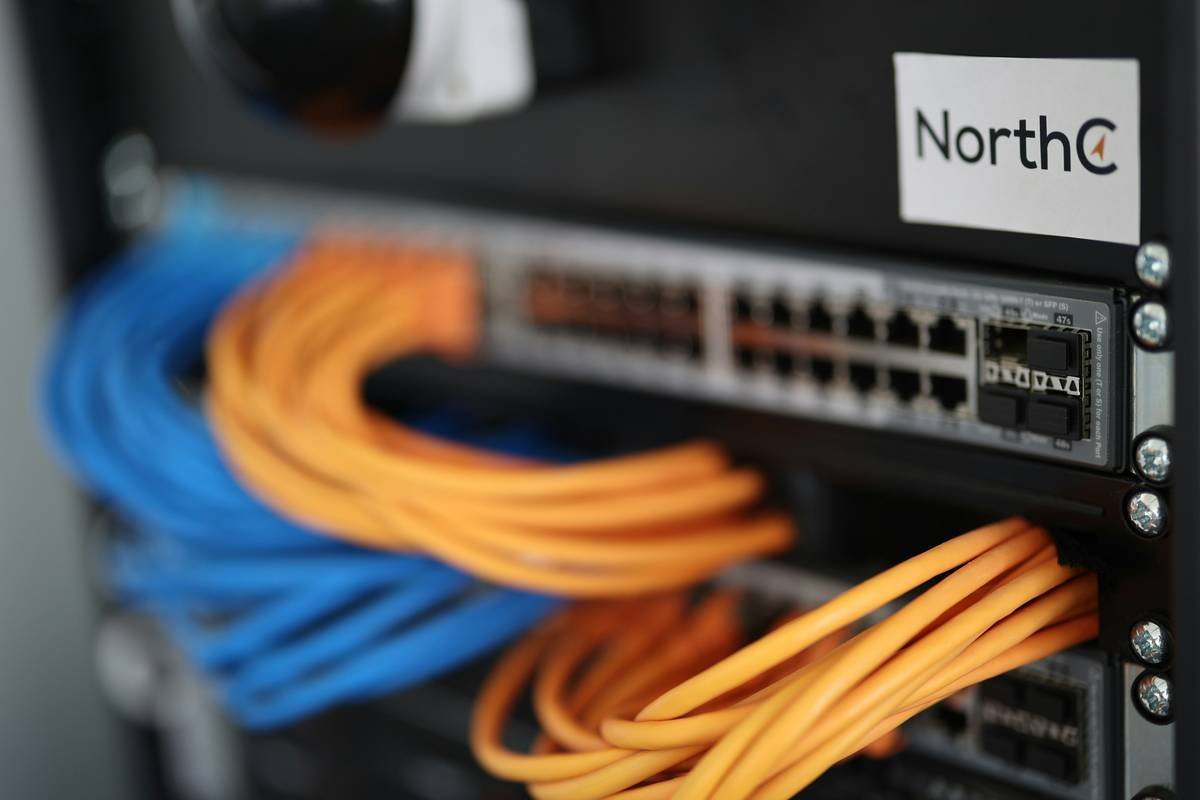
“Ever lost hours of productivity because your network went down and you had no clue why?” Yeah, we’ve all been there. Whether you’re a small business owner or an IT manager for a Fortune 500 company, network outages are the ultimate productivity killer. And let’s face it: when the network goes kaput, so does everything else—emails, cloud storage, even your sanity.
In this guide, you’ll discover how network monitoring hardware can save your day (and possibly your job). We’ll explore what it is, why it matters, and how to set up a fail-safe system using monitoring kill switches. Plus, I’ll share some brutal honesty about common mistakes (including one that cost me dearly).
You’ll learn:
- The hidden dangers of ignoring network monitoring hardware.
- A step-by-step guide to implementing monitoring kill switches.
- Tips to maximize uptime without breaking the bank.
Table of Contents
- Introduction
- Key Takeaways
- Why Network Monitoring Hardware Is Non-Negotiable
- How to Set Up Monitoring Kill Switches
- 7 Tips for Maximizing Uptime
- Real-Life Examples That Prove It Works
- Frequently Asked Questions (FAQs)
- Conclusion
Key Takeaways
- Ignoring network monitoring hardware leaves your system vulnerable to costly downtime.
- A monitoring kill switch helps automate issue detection and mitigation.
- Choosing the right tools isn’t just about price—it’s about reliability and ease of use.
- Proactive monitoring saves time, money, and headaches in the long run.
Why Network Monitoring Hardware Is Non-Negotiable
Let’s get real for a moment. Have you ever noticed how your entire office grinds to a halt when the Wi-Fi dies? It’s like everyone suddenly remembers they’re due for coffee—or worse, starts blaming IT. But here’s the kicker: most people don’t realize their problems stem from outdated or insufficient network monitoring hardware.
I once made the rookie mistake of skimping on proper monitoring tools. “We’ll be fine,” I thought. Spoiler alert: we weren’t. One Saturday morning, our server crashed during peak hours, and guess who got the frantic call at 7 AM? Yep, me. By the time I fixed it, customers were already posting angry tweets. Not chef’s kiss.
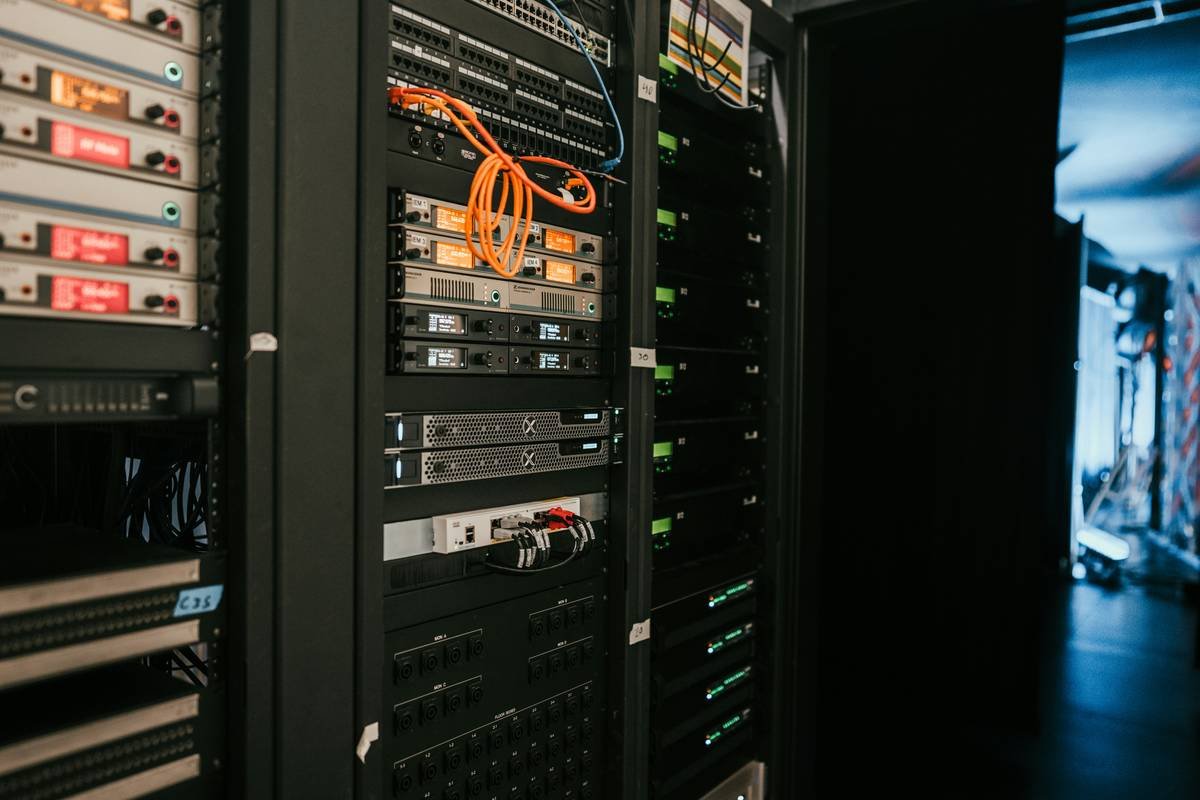
Here are three stats that might keep you up tonight:
- Average cost of unplanned downtime: $9,000 per minute.
- 69% of companies experience unexpected network failures annually.
- 82% of employees feel frustrated when tech issues disrupt their workflow.
If those numbers sound scary, good—they should. This is why investing in solid network monitoring hardware isn’t optional anymore; it’s survival.
How to Set Up Monitoring Kill Switches
Alright, Optimist Me says, “Follow these steps, and you’ll never suffer another surprise outage.” Grumpy Me says, “Ugh, unless someone forgets their password again…”
Step 1: Assess Your Needs
Start by identifying critical parts of your network. What devices need constant monitoring? Which connections are mission-critical?
Step 2: Choose Reliable Hardware
Look for hardware with features like automatic alerts, real-time analytics, and integration capabilities. Popular brands include SolarWinds, PRTG, and ManageEngine.
Step 3: Install Monitoring Software
Most modern network monitoring hardware comes with companion software. Configure it to track performance metrics like bandwidth usage, latency, and packet loss.
Step 4: Enable the Kill Switch Feature
A monitoring kill switch automatically disconnects non-essential services if anomalies occur. For example, if your firewall detects unusual traffic spikes, it can cut off suspicious IP addresses instantly.
Step 5: Test Rigorously
Simulate potential issues to ensure your setup works as intended. Bonus points if you involve your team in drills—it builds muscle memory.
7 Tips for Maximizing Uptime
Because nobody likes surprises, especially not ones involving dead servers:
- Schedule Regular Maintenance: Preventative care extends the life of both your hardware and your patience.
- Create Redundancy Plans: If one router fails, have backups ready. Think of them as the Robin to your Batman.
- Document Everything: Keep detailed records of configurations and troubleshooting steps. Future-you will thank present-you.
- Train Staff: Make sure everyone knows basic troubleshooting techniques. Remember the 2008 financial crisis? Don’t let ignorance crash your network too.
- Avoid Cheap Tools: Cheap hardware may seem tempting, but trust me—it’s cheaper to invest upfront than pay for emergency repairs later.
- Stay Updated: Firmware updates aren’t just annoying popups; they often patch security vulnerabilities.
- Monitor 24/7: Networks don’t sleep, so neither should your monitoring systems.
Real-Life Examples That Prove It Works
Let’s hear from someone who did it right. Sarah, an IT admin at a mid-sized marketing agency, implemented robust network monitoring hardware last year. Within months, her company saw a 30% reduction in downtime-related losses. Her secret weapon? A combination of high-end routers paired with advanced kill switch protocols.
On the flip side, consider John, whose e-commerce site crashed during Black Friday sales. He hadn’t invested in reliable monitoring solutions. Result? Over $50,000 in lost revenue—and a very grumpy boss.
Moral of the story? Play smart, folks. Because nothing screams “amateur hour” more than a retailer going offline on the biggest shopping day of the year.
Frequently Asked Questions (FAQs)
Q: What exactly is network monitoring hardware?
A: Devices designed to oversee network health, detect issues, and trigger automated responses like kill switches.
Q: Do I really need a kill switch?
A: If you value your data integrity and uptime, yes. It’s like having a fire extinguisher—you hope you never need it, but boy, are you glad it’s there.
Q: Can’t I just use free tools?
A: Sure, but would you trust your car to a mechanic offering “free oil changes”? Exactly.
Conclusion
In today’s hyper-connected world, network monitoring hardware is no longer optional—it’s essential. From preventing catastrophic crashes to ensuring seamless operations, the benefits far outweigh the initial investment. So, whether you’re setting up a home office or managing enterprise-level infrastructure, remember: proactive beats reactive every single time.
Oh, and before I sign off, here’s a little haiku for you:
Servers hum softly,
Networks live—or die quick.
Kill switch saves the day.
Remember, folks: Like a Tamagotchi, your SEO needs daily care. Now go forth and monitor wisely!