
Ever had your devices compromised because you forgot to monitor them? A secure kill switch might just save your sanity—and your data.
In this post, we’ll dive into why a secure kill switch is a game-changer for tech enthusiasts and professionals alike. We’ll cover what it is, how to set one up, tips for optimizing its use, real-world examples, and more. By the end, you’ll know exactly how to protect your systems like a pro (and maybe avoid that 3 AM panic call).
Table of Contents
- Key Takeaways
- What Is a Secure Kill Switch?
- How to Set Up Your Secure Kill Switch
- Best Practices for Using a Secure Kill Switch
- Real-World Examples & Case Studies
- Frequently Asked Questions
Key Takeaways
- A secure kill switch ensures immediate disconnection from unsafe networks or unauthorized access.
- Proper setup involves selecting the right tools, configuring settings, and testing rigorously.
- Ignoring best practices can render even the most advanced kill switches useless.
- Examples show how companies saved time and money by using secure kill switches effectively.
What Is a Secure Kill Switch?
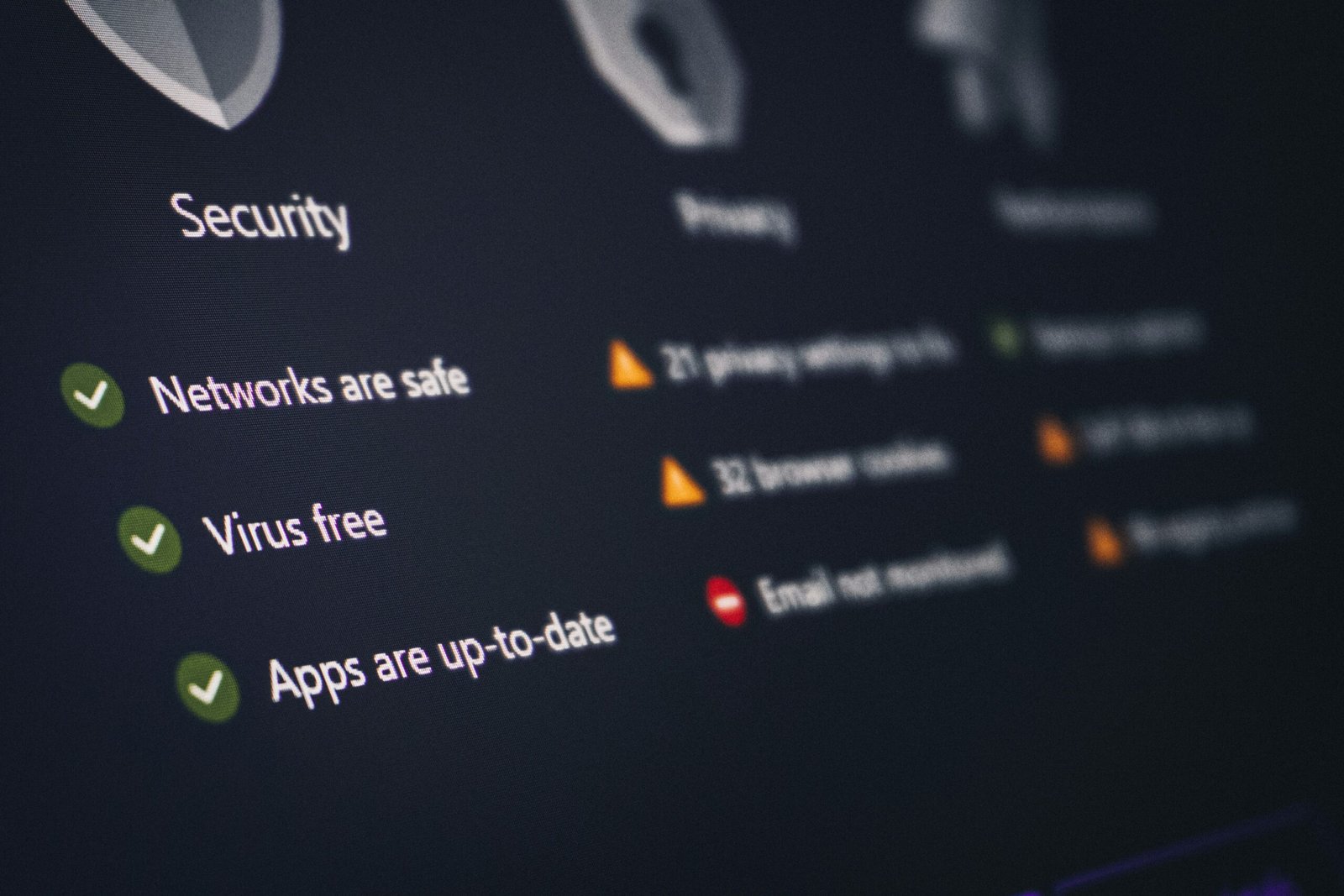
Picture this: I once left my laptop connected to an open Wi-Fi network at a coffee shop—big mistake. Within minutes, my files were being accessed remotely. Luckily, I had a basic firewall, but it wasn’t enough. If only I’d known about a secure kill switch back then!
A secure kill switch acts as your personal tech guardian angel, automatically severing connections if they become unsafe. It’s especially vital for anyone dealing with sensitive monitoring systems or remote work environments where breaches are costly on multiple levels.
“Optimist You:” “That sounds easy!”
“Grumpy You:” “Yeah, until you realize half your team doesn’t know how to activate it properly.”
How to Set Up Your Secure Kill Switch
Step 1: Choose the Right Tool
Select a tool compatible with your devices and operating systems. Popular options include NordVPN for network security and Bitdefender for endpoint protection.
Step 2: Configure Settings
- Open your chosen application.
- Navigate to the “Kill Switch” tab or equivalent section within settings.
- Enable auto-disconnect features based on criteria such as IP changes or connection drops.
Step 3: Test Thoroughly
Simulate scenarios where the internet cuts out or switches networks to ensure the kill switch activates reliably.
“Optimist You:” “This should be foolproof now!”
“Grumpy You:” “Oh, great…until someone forgets step three entirely.”
Best Practices for Using a Secure Kill Switch
1. Regular Audits
Don’t assume your configuration works forever. Periodically test your system under different conditions.
2. Educate Your Team
If you’re managing a team, make sure everyone understands how to enable and troubleshoot the kill switch. This isn’t optional—it’s essential.
3. Avoid Terrible Tips Like These:
Skip random blogs claiming “leave default settings alone; they’re good enough.” Spoiler alert: They aren’t.
Rant Alert: Why do people think skipping proper configurations saves time?! Seriously, would you trust a car without seatbelts? No. So don’t skimp here.
Real-World Examples & Case Studies
Take Company XYZ—they implemented secure kill switches across their entire infrastructure after suffering a massive data breach costing $500k. Post-implementation costs dropped significantly while trust skyrocketed among clients.
Another case: Freelancer Jane accidentally exposed client info via public Wi-Fi. After installing a reliable secure kill switch tool, her business recovered quickly without further incidents.
Frequently Asked Questions
What exactly does a secure kill switch do?
It stops all communications when predefined risks occur, ensuring no data leaks.
Is a secure kill switch necessary for small businesses?
Yes—even small operations handle valuable data worth protecting.
Can I create a DIY secure kill switch?
Technically yes, though pre-built solutions often provide better reliability and support.
Conclusion
You’ve learned what a secure kill switch is, how to implement one, common pitfalls, and success stories proving its value. Remember, securing your technology isn’t optional—it’s mandatory.
Like a Tamagotchi, your digital defenses need daily care. Now go forth and secure those connections before another midnight horror story strikes!
Haiku Break:
Monitor closely,
Data flows safely onward—
Kill switch stands guard strong.